Storage as a service
We take your captured CO₂ and turn it into rock, onshore and close to your plant, for a fraction of what conventional storage costs.
| Decahydron mineralisation | Offshore storage | |
|---|---|---|
| Cost | A fraction of conventional storage, independently certified by EY | Among the most expensive links in the CCS chain |
| Transport | Short onshore pipeline or truck from the plant | Liquefaction, port terminal and shipping |
| Location | Onshore, at the emitter | Offshore, with liquefaction and shipping |
| Capacity | Gigatonne scale in ultramafic rock | Limited by the field, often tens of millions of tonnes |
| Water | None | Required for dissolution-based injection |
| What is left underground | Carbonate rock: nothing that can leak | A CO₂ plume to monitor under the EU CCS Directive |
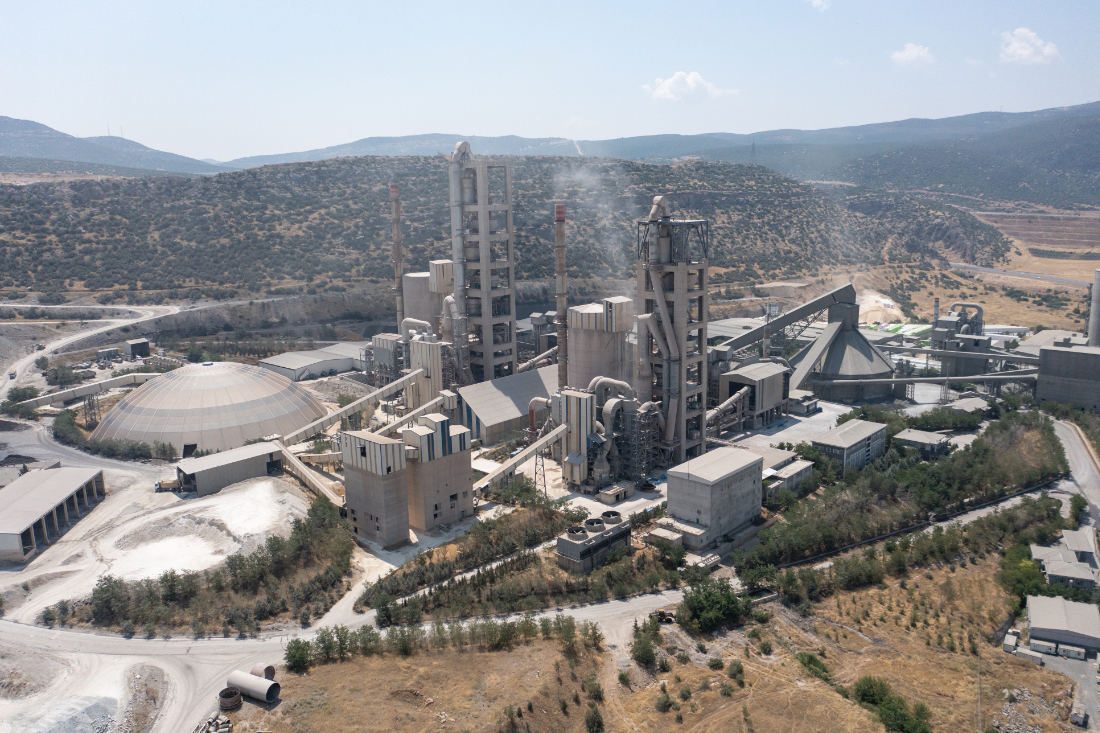
Our first commercial-scale pilot will store 150,000 tonnes of CO₂ from Holcim’s HERACLES cement plant in Greece.
To achieve Net Zero climate targets, estimates suggest we will need to sequester 10 gigatons of CO₂ annually by 2050. While cutting emissions is essential, it is not enough. We also need to remove and store excess carbon, and carbon mineralisation is one of the most effective ways to do it.
What Is Carbon Mineralisation?
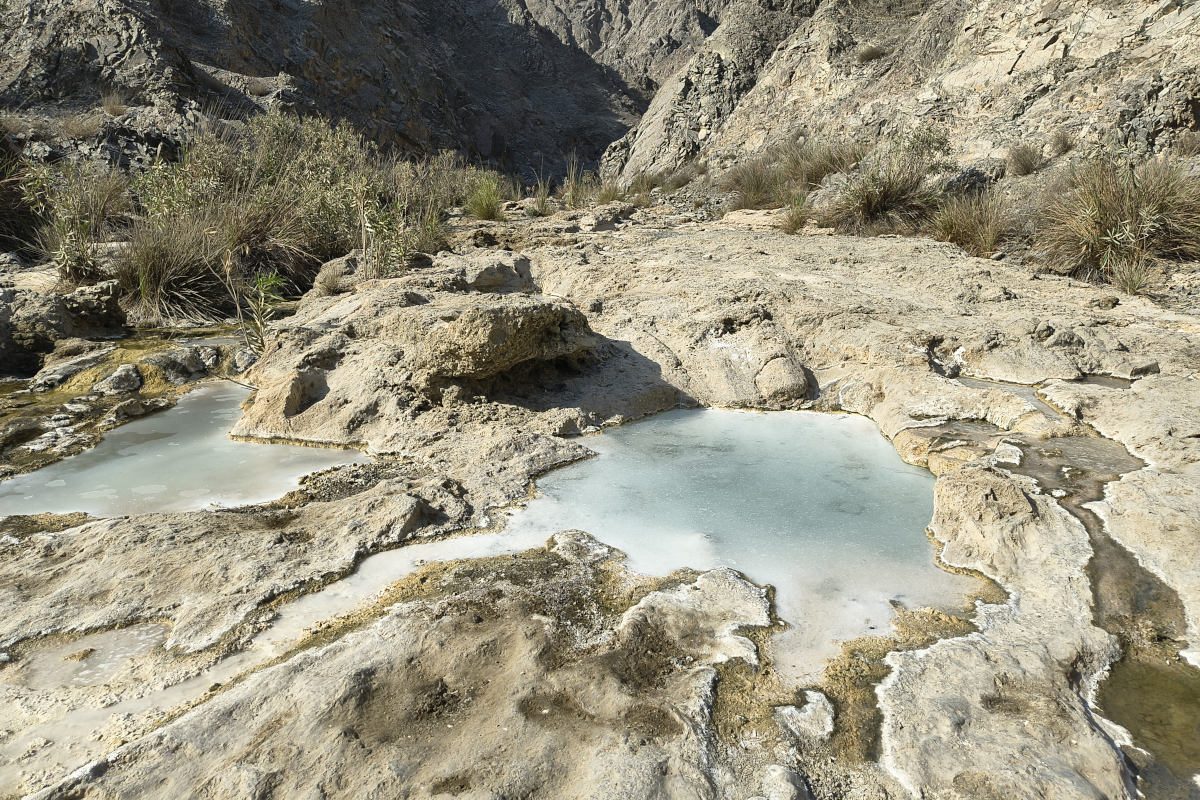
Carbon mineralisation is a natural process where CO₂ reacts with certain types of rock to form stable, solid minerals, locking carbon away for geological timeframes. Decahydron is developing technology to accelerate this process by injecting supercritical CO₂ into ultramafic rock, which is uniquely suited to absorb and mineralise carbon permanently.
Supercritical CO₂ is carbon dioxide held at a temperature and pressure high enough to behave like both a gas and a liquid.
What makes our approach different?
Why Ultramafic Rock?
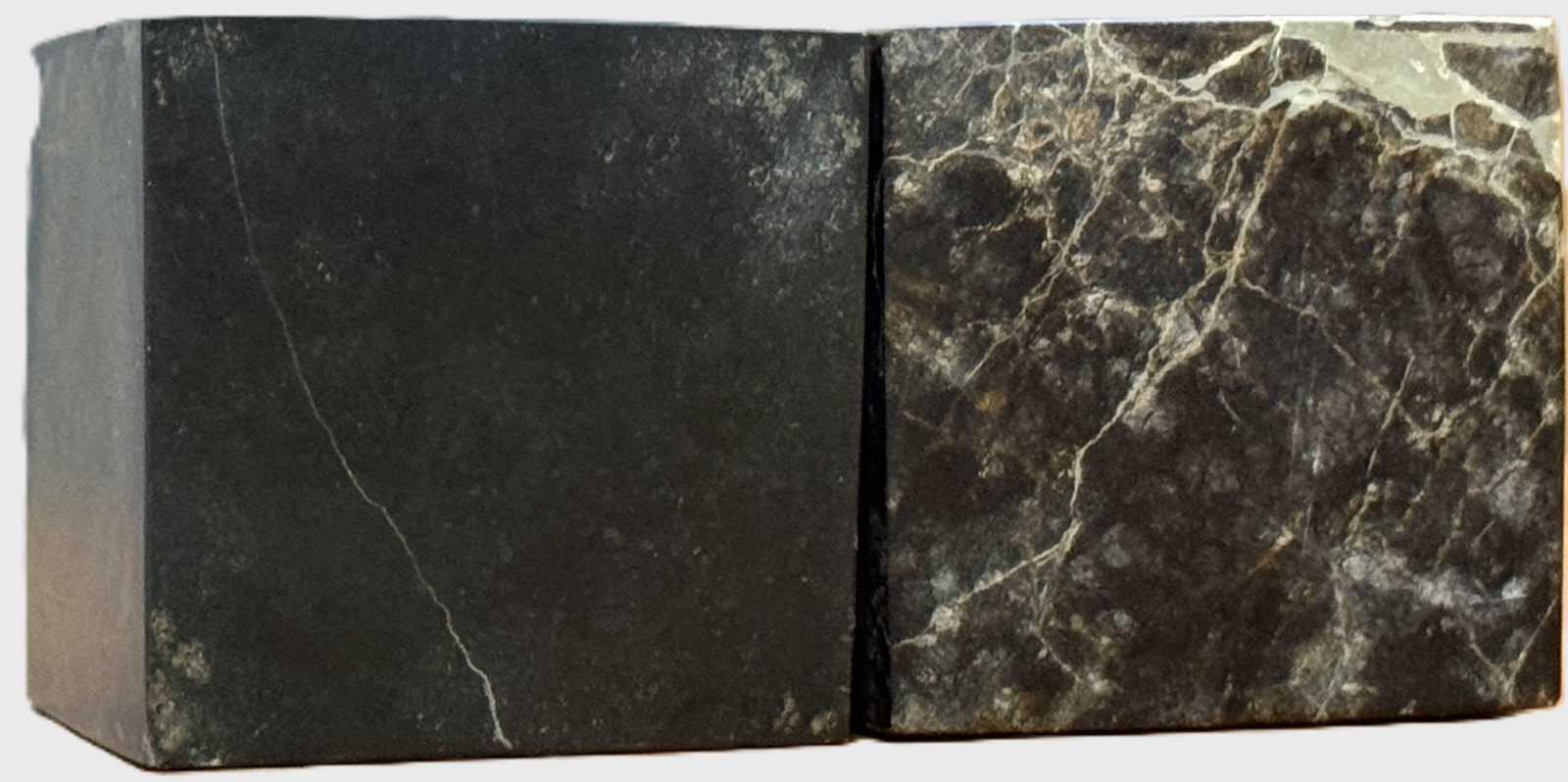
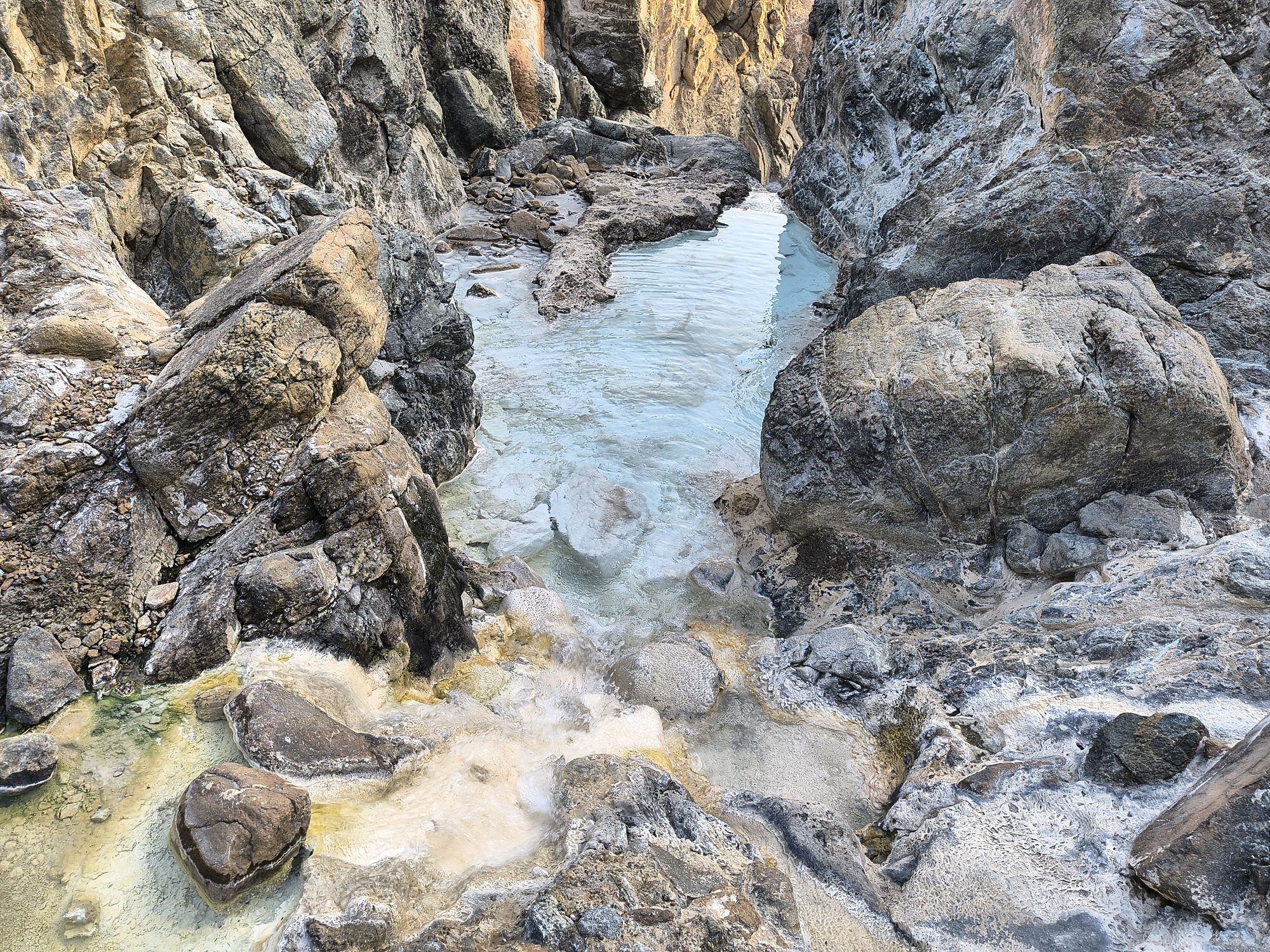
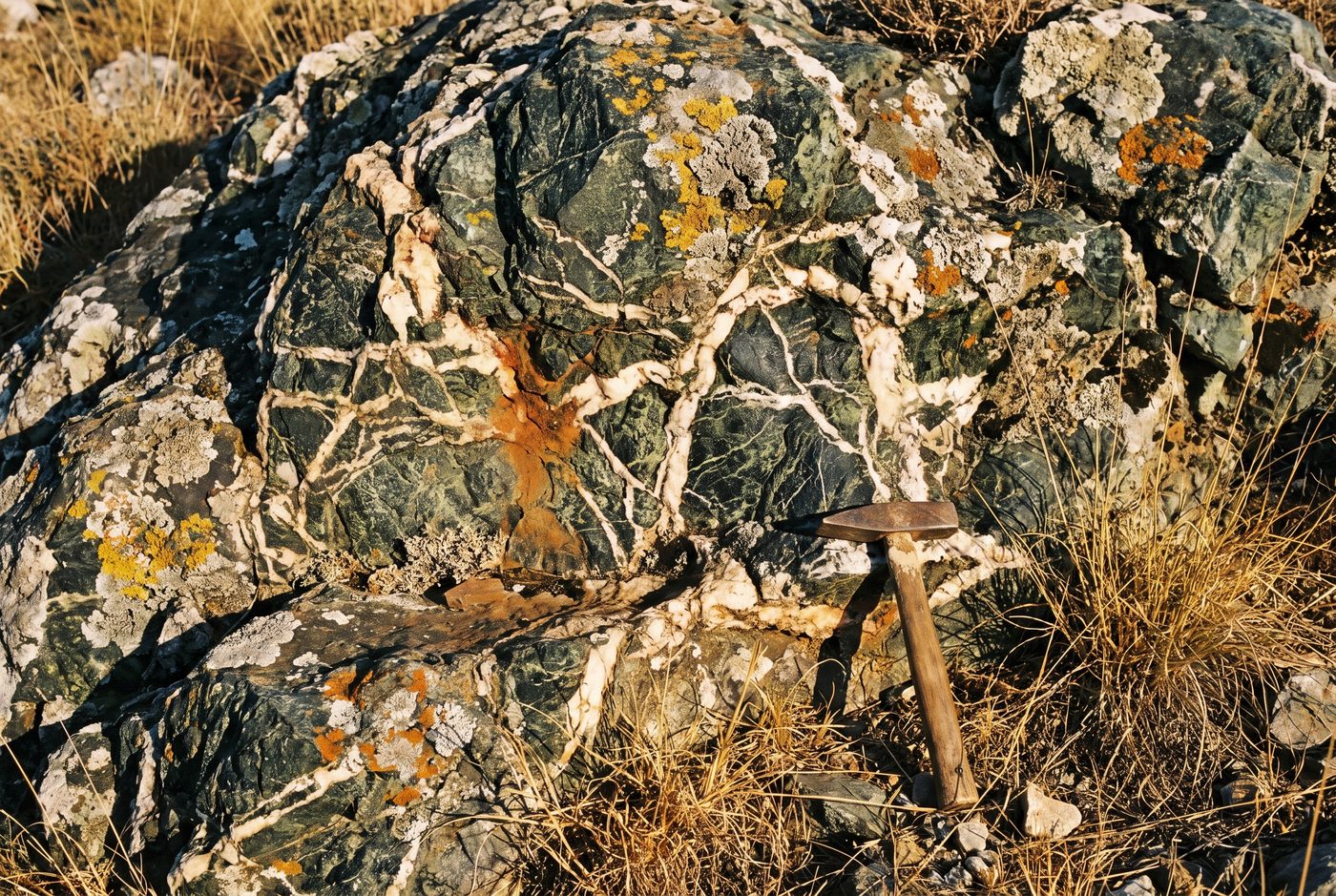
Ultramafic rock is rich in magnesium and iron, making it ideal for carbon mineralisation. When CO₂ interacts with it, a permanent transformation occurs: the carbon becomes part of the rock itself. No risk of leaks and no need for ongoing management, just safe, permanent CO₂ storage.
And hydrogen out of the same rock
The reaction that locks CO₂ into stone can also release hydrogen. One reactor, carbon in and hydrogen out.
Hydrogen from CO₂How do we know that CO₂ cannot escape?
Every injection site will be monitored with sensor networks, from the surface to the reservoir. This lets us verify permanent storage and meet the standards needed to issue high-quality carbon credits.
Which industries will use CO₂ mineralisation?
In the near term, we will take CO₂ from hard-to-abate industries including cement, steel and chemicals. In Greece our project will mineralise CO₂ captured at a Holcim cement plant. As direct air capture and other removal technologies scale, we will also be able to mineralise CO₂ pulled straight from the atmosphere.
See the PITHOS project