
Ophiolites are slices of the Earth’s mantle pushed up onto land. They make hydrogen on their own, and they can turn CO₂ into stone. We work on three of them: in the northern Emirates, where the rock may hold natural hydrogen, and in central Greece, where it will store industrial CO₂.
Appraising a hydrogen well
In 2010 an exploration well was drilled through the Sharjah ophiolite in search of oil and gas. Gas readings taken while drilling point to hydrogen in the deep, fractured peridotite below a dense rock layer. Nobody went back for it.
Decahydron is appraising that well with Sharjah National Oil Corporation. With Weatherford we are preparing to re-enter the well, measure the gas directly and test whether it flows.
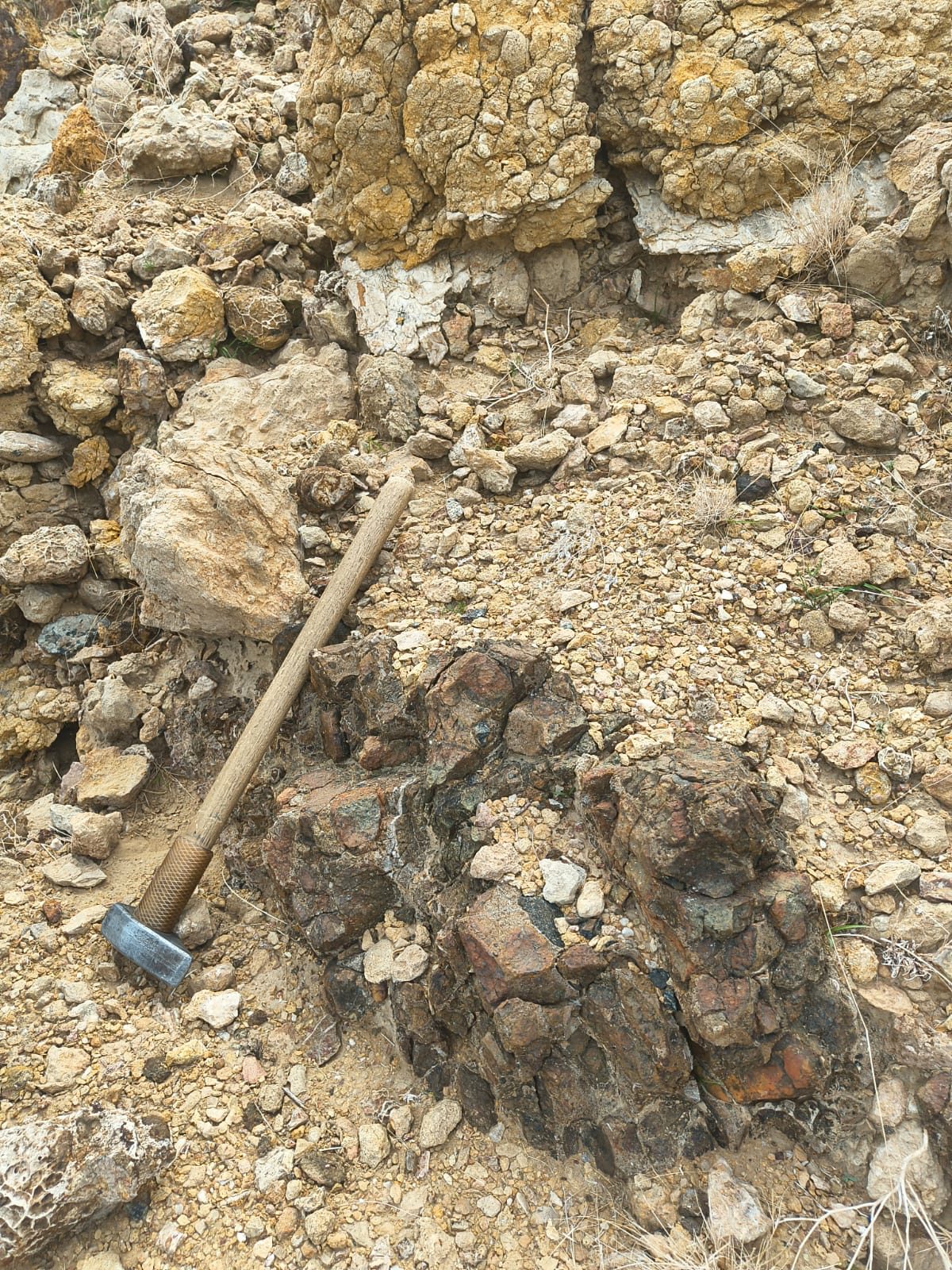

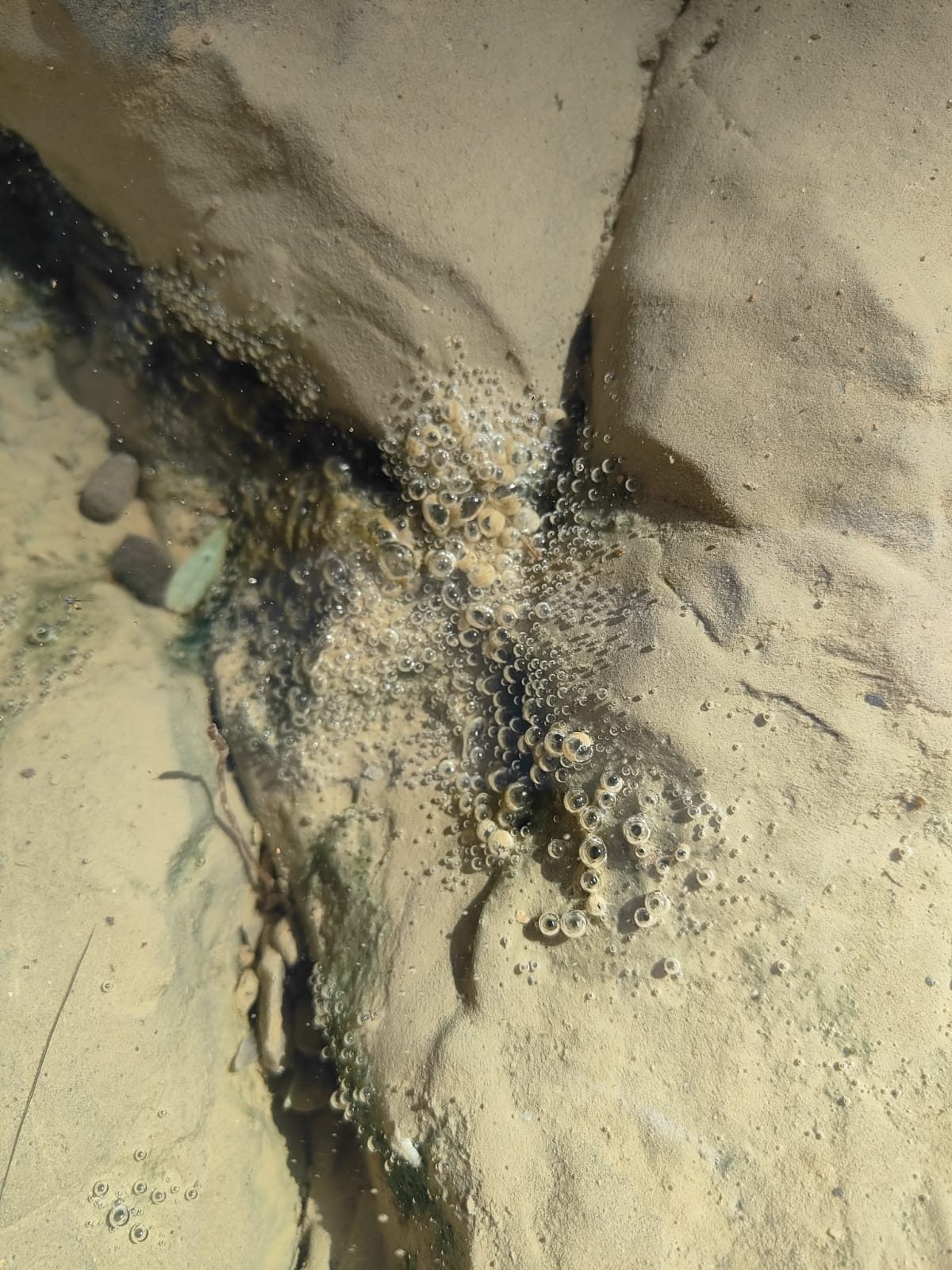
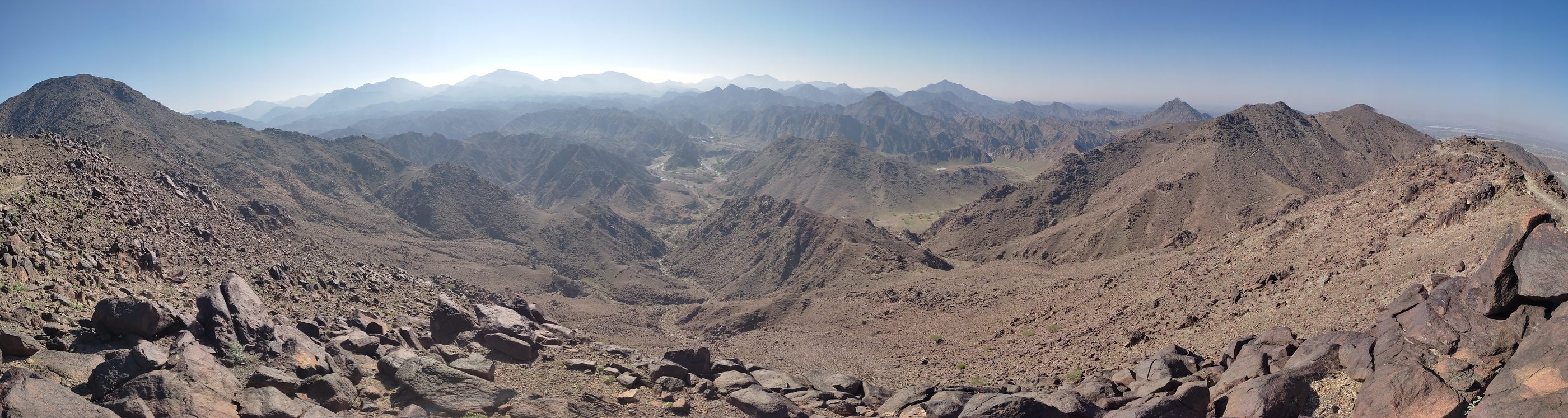
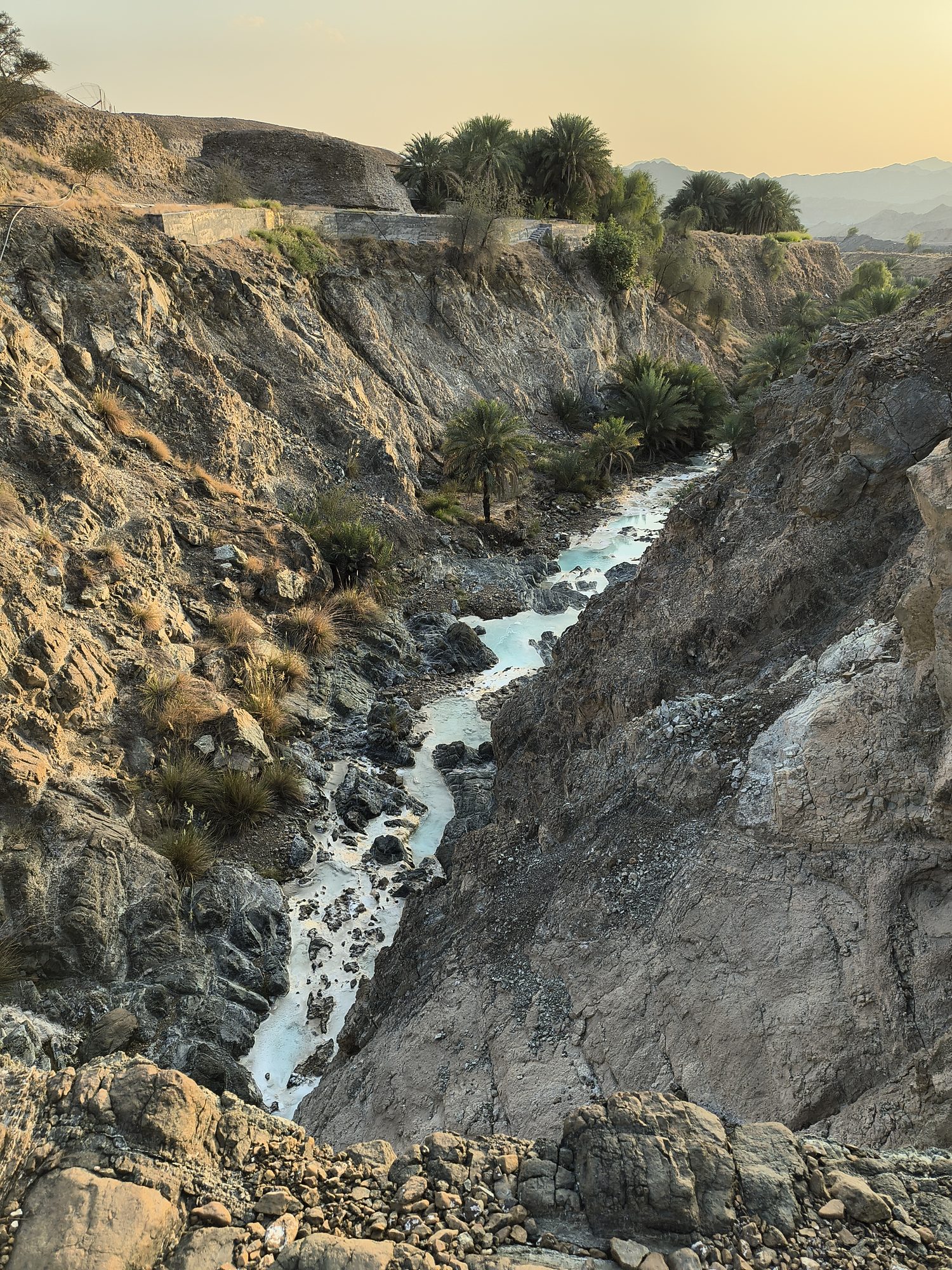
Hydrogen and carbon storage on the Gulf of Oman
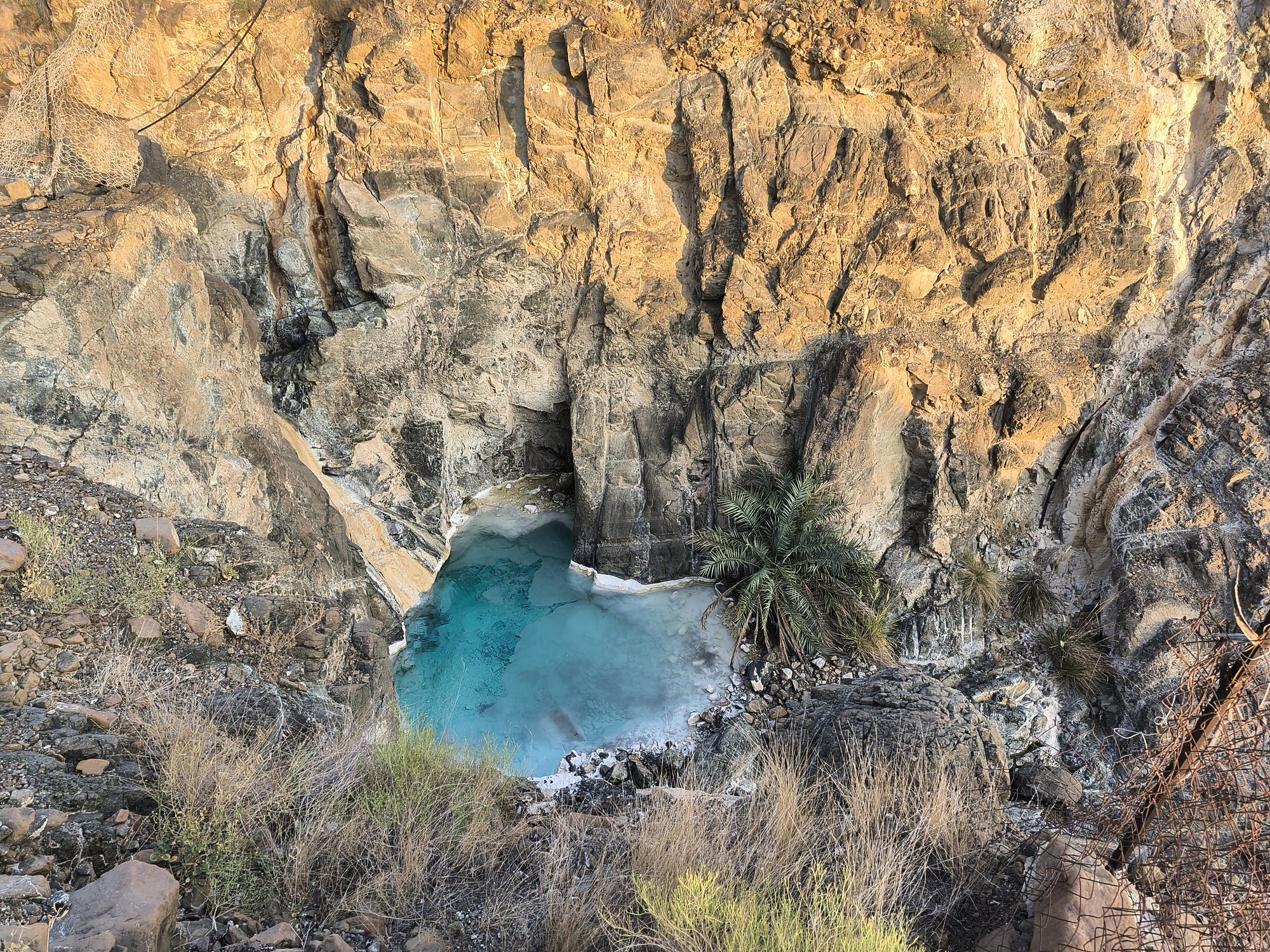
Most of the emirate stands on the Semail ophiolite, the largest and best-exposed section of oceanic mantle anywhere on Earth. Its springs and soil gas carry hydrogen, and the rock can mineralise CO₂. Fujairah is also one of the world’s largest bunkering ports, with deep water outside the Strait of Hormuz.
Under a Memorandum of Understanding with FOIZ, the Fujairah Oil Industry Zone, Decahydron is studying the emirate’s potential for natural hydrogen and CO₂ storage. The programme runs in three phases: surface work first, then the first exploration wells with a CO₂ injection trial, then development.
Europe’s first water-free CO₂ mineralisation
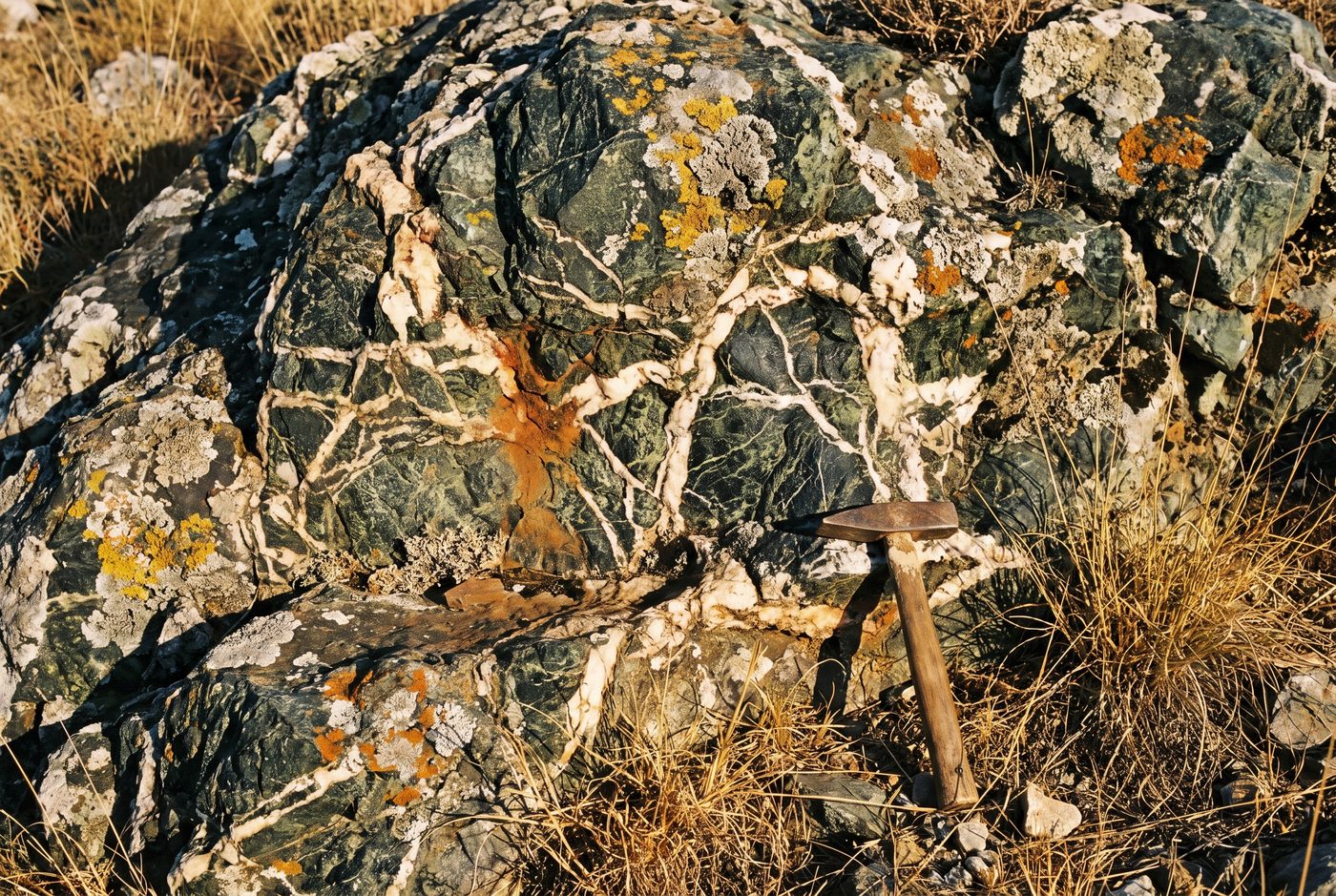
PITHOS, Pioneering Injection Technologies for Hydration-free Ophiolite Systems, will be the first field demonstration in Europe of water-free CO₂ mineralisation in ultramafic rock. It sits in the Othrys ultramafic belt of central Greece, outside Natura 2000 areas.
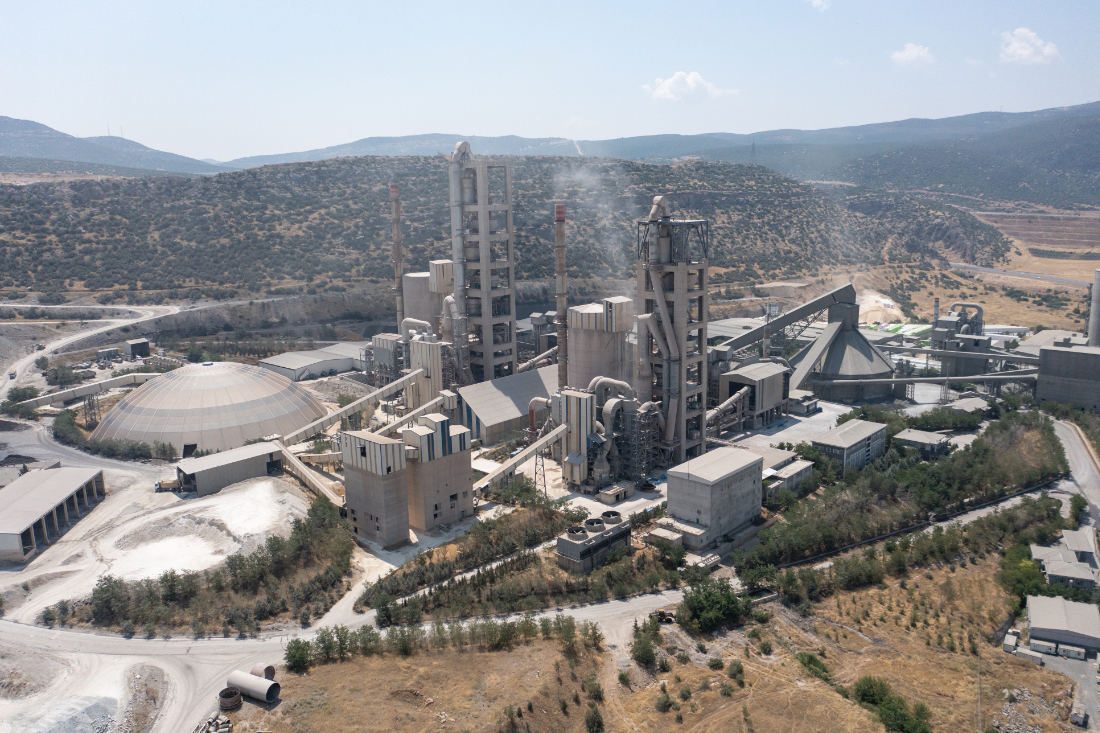
The CO₂ comes from Holcim’s HERACLES cement plant, where it is captured by the OLYMPUS project. Dry supercritical CO₂ will be injected at about 1,500 metres, where it reacts with the rock and becomes carbonate. The project works under the oversight of HEREMA, the Hellenic Hydrocarbons and Energy Resources Management Company.

Interested in our projects?
We work with governments, industry and investors. Get in touch to explore how we could work together.
Partner with us